If you’re new to gardening, it can feel like everyone else knows something you don’t.
There are endless rules, conflicting advice, and a quiet pressure to “get it right” right away. What to plant. When to plant. How much to water. Whether you’re already behind.
Here’s the truth we wish someone had told us early on:
Most gardening success has very little to do with perfection.
Over the years, we’ve learned that beginner gardeners don’t need more complicated techniques or endless plant lists. They need clarity, confidence, and permission to learn as they go. That’s exactly why we created our Beginner Garden Guide — a free resource focused on what actually matters when you’re just getting started.
👉 Get our Beginner Garden Guide here!
Before you download it, let’s talk about a few mindset shifts that can completely change how you experience your garden.
One of the most freeing moments in our gardening journey was realizing that losing plants is part of the process.
Every gardener — beginners and experts alike — has plants that don’t make it. Some struggle with soil. Others don’t love the light. And sometimes, despite doing everything “right,” a plant just doesn’t thrive.
That doesn’t mean you failed. It means you’re learning.
When you’re starting out, it’s tempting to focus on what you can see: foliage, flowers, and fast fixes.
But one of the most important lessons we learned is that healthy gardens start underground.
Prioritizing soil health creates plants that are more resilient, more consistent, and far less needy over time. Instead of constantly chasing problems, you build a system that quietly supports everything you plant.
This shift alone can reduce frustration dramatically for new gardeners.
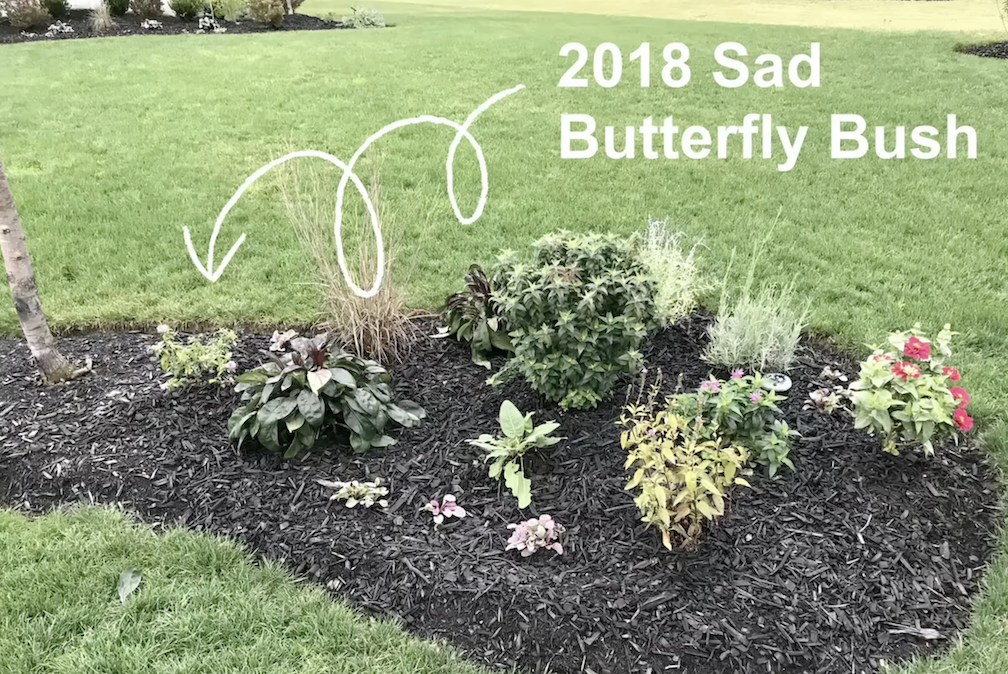
Another common beginner mistake is underestimating how big plants will become.
Everything looks manageable in year one. But gardens grow — and they don’t always stay within neat boundaries.
Starting with larger beds and flexible edges gives your garden room to mature naturally. It also saves you from constant rearranging as plants outgrow their original spots.
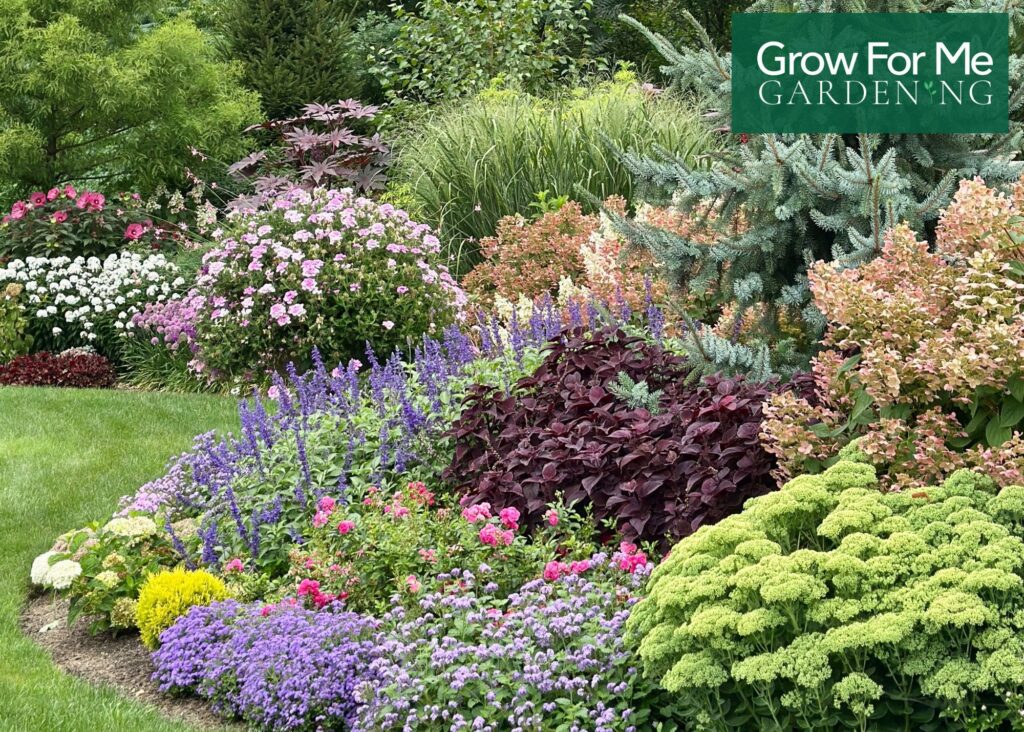
Plant tags are helpful, but they aren’t gospel.
They’re based on average conditions, not your garden’s soil, light, or care. Some plants grow far larger than expected. Others stay smaller. Neither is wrong.
The real skill in gardening comes from observing how plants respond and adjusting as you go — not forcing them to behave exactly as the tag suggests.
Fear stops more beginner gardeners than lack of knowledge.
Fear of pruning too much.
Fear of making a mistake.
Fear of ruining a plant forever.
Gardens are far more forgiving than we give them credit for. Thoughtful action is almost always better than hesitation, and confidence grows with experience — not before it.
Our free Beginner Garden Guide isn’t about overwhelming you with rules. It’s about helping you feel grounded and capable from the very beginning.
Inside the guide, we share:
It’s designed to help you enjoy the process, not stress through it.
If you’re just getting started — or wish you could go back and give your past self better advice — this guide is for you.
👉 [Download the Beginner Garden Guide]
When you sign up, you’ll also receive:
We keep things honest, approachable, and rooted in real experience.
You don’t need to know everything to start gardening.
You just need to start — observe, adjust, and keep going.
Gardens grow one season at a time, and so does confidence. We’re glad to be growing alongside you.
Thanks for growing with us,
Eric + Christopher, Grow for Me Gardening
Join our gardening journey and grow alongside us. From seed starting to full garden tours, we share tips, inspiration, and the joy of growing beautiful spaces.
We respect your privacy and will never share your information. Thanks for growing with us!
Get seasonal tips, behind-the-scenes from our garden, and be the first to know what we’re planting, pruning, and loving.
As a thank you, we’ll send you our favorite tried-and-true plants — the ones we grow in our own garden.