
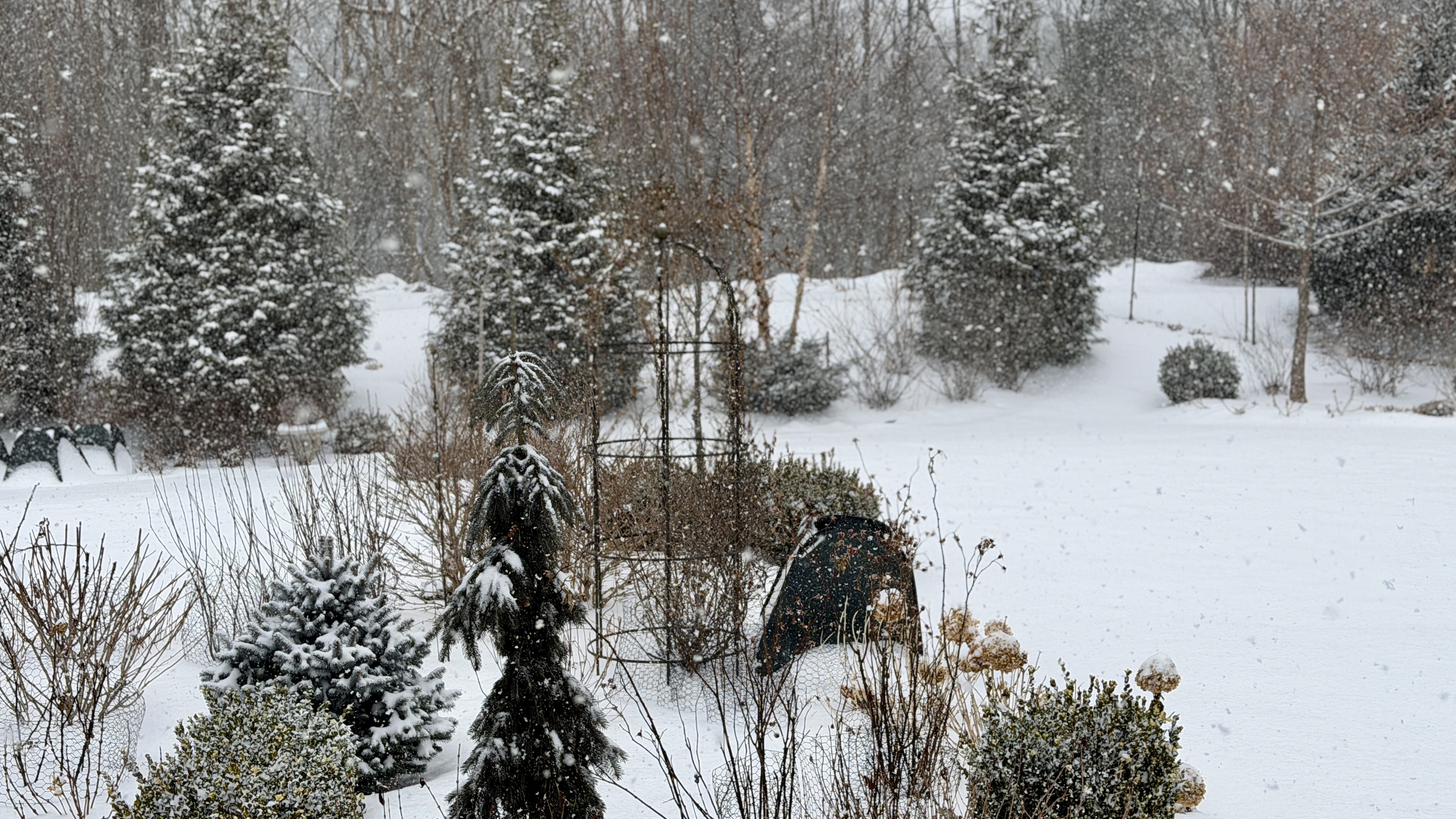
Why Snow Protects Your Garden and Ice Causes Winter Damage
Why Snow Is Good for Your Garden (And Why Ice Is Not)
When winter settles in and our garden disappears under a blanket of white, it’s easy to assume everything outside is “on pause.” But in reality, snow plays an important and surprisingly beneficial role in protecting your landscape. While snow can be a gift to your garden, ice is a very different story—and often a damaging one.
Understanding the difference helps you better support your plants through winter and sets you up for a stronger growing season in spring.
Snow Is Nature’s Insulation
One of snow’s greatest benefits is insulation.
When snow accumulates on garden beds, it acts like a protective blanket. It traps pockets of air that help regulate soil temperature and prevent extreme fluctuations. This insulation keeps the ground from freezing too deeply, which protects:
• Perennial roots
• Bulbs
• Shrub root systems
• Beneficial soil organisms
Without snow cover, repeated freeze-thaw cycles can heave plants out of the ground and expose roots to damaging cold.
In snowy winters, plants often experience more stable conditions than in dry, cold winters with no snow at all.
Snow Protects Plants from Drying Winds
Winter wind is one of the biggest threats to plants, especially evergreens and broadleaf shrubs.
Cold winds pull moisture from leaves and stems, causing winter burn and dehydration. Snow creates a natural barrier that shields plants from these harsh conditions. Lower branches, crowns, and buds are often protected beneath the snow line.
This is especially helpful for:
• Boxwood
• Hydrangeas
• Roses
• Young shrubs
• Perennials with basal growth
When these plants are tucked under snow, they are far less likely to suffer winter damage.
Snow Provides Slow, Steady Moisture
Snow is essentially slow-release water.
As it melts gradually, it seeps into the soil and rehydrates plant roots. This is critical in late winter and early spring, when plants begin waking up but rainfall may still be limited.
Instead of heavy runoff from rainstorms, melting snow delivers moisture gently and evenly—exactly what dormant roots need.
This steady hydration helps prevent spring stress and supports healthy early growth.
Snow Supports Soil Health
Healthy gardens start underground.
Snow helps maintain soil structure and protects the ecosystem living beneath the surface. Earthworms, microbes, fungi, and other beneficial organisms remain more stable when insulated from extreme cold.
This living soil network is essential for:
• Nutrient cycling
• Root development
• Water retention
• Overall plant resilience
A winter with good snow cover often leads to more biologically active soil in spring.
Snow Can Protect Flower Buds and Stems
Many plants set their flower buds the season before they bloom. These buds overwinter on stems and branches.
Snow can shield them from:
• Extreme cold
• Dry winds
• Sudden temperature drops
Hydrangeas, roses, and early-blooming shrubs often benefit from this natural protection. In some cases, snow cover can mean the difference between a strong bloom season and disappointing flowering.
Why Ice Is Harmful to Your Garden
While snow is light, airy, and insulating, ice is dense, heavy, and destructive.
Ice forms when snow melts and refreezes, or when freezing rain coats plants and soil. This creates several serious problems.
Ice Causes Physical Damage
Ice adds significant weight to plants.
When branches, stems, and leaves are coated in ice, they can bend, split, or snap under the load. This is especially damaging to:
• Evergreens
• Shrubs with upright growth
• Young trees
• Perennials with stiff stems
Broken branches create open wounds that invite disease and pests in spring.
Ice Prevents Gas Exchange in Soil
When ice seals the soil surface, it blocks oxygen from reaching plant roots.
Roots still need oxygen in winter, even while dormant. Prolonged ice cover can lead to suffocation, root stress, and decline—especially in poorly drained areas.
This is one reason plants in low spots often struggle after icy winters.
Ice Encourages Root Rot and Disease
Ice often traps moisture at the soil surface.
As it slowly melts, water may pool around roots instead of draining properly. This creates ideal conditions for fungal diseases and rot, particularly in:
• Clay soils
• Containers
• Raised beds with poor drainage
Plants that appear fine in winter may suddenly fail in spring due to hidden root damage caused by ice.
Ice Increases Freeze-Thaw Stress
Ice contributes to repeated freezing and thawing cycles.
These cycles cause soil expansion and contraction, which can push plants upward—a process called frost heaving. Exposed roots are then vulnerable to cold, wind, and dehydration.
Snow minimizes this problem. Ice makes it worse.
What Gardeners Can Do
While you can’t control winter weather, you can work with it.
Encourage Snow Retention
• Leave garden beds mulched
• Avoid clearing snow from planting areas
• Let snow settle naturally over perennials
Reduce Ice Damage
• Improve drainage before winter
• Avoid walking on frozen, icy beds
• Gently remove heavy ice from shrubs only if safe to do so
• Use burlap or wind barriers for vulnerable plants
Use Mulch as “Backup Snow”
In winters with little snowfall, mulch acts as a substitute insulation layer. A 2–4 inch layer of shredded leaves, bark, or compost helps protect roots when snow is scarce.
The Takeaway
Snow is one of winter’s greatest gifts to the garden.
It insulates roots, protects plants from wind, provides slow moisture, and supports healthy soil life. A snowy winter often leads to stronger plants and better performance in spring.
Ice, on the other hand, brings weight, suffocation, disease risk, and physical damage. While unavoidable at times, its effects can be minimized with good garden preparation and drainage.
When you see your garden covered in fresh snow, think of it as nature’s blanket—quietly working all winter long to protect what you’ve been growing.
Thanks for growing with us!
Featured Products
Latest Garden Adventures

The R.U.D.E. Winter Garden Checklist: How We Inspect Our Zone 6A Garden Before Spring
The Perfect Plant Pairing Formula: 3 Foolproof Garden Design Combinations (Zone 6A)
20 New Plants We’re Adding to Our Zone 6A Garden This Season
Grow With Us All Season Long
Join our gardening community and receive seasonal tips, design inspiration, and exclusive content to help your garden thrive. From seed starting to full blooms, we'll share our journey with you.
